Ideal Timing for Attic Truss Construction
Attic truss constructions are typically scheduled during specific seasons to optimize conditions and ensure quality results. The most suitable times are generally during mild weather periods when temperature fluctuations and moisture levels are minimal, reducing potential construction delays.
Spring offers moderate temperatures and lower humidity, making it ideal for attic truss projects before the summer heat arrives.
Fall provides cooler weather and stable conditions, allowing for efficient construction before winter sets in.
Extreme cold or heat can impact materials and worker safety, hence avoiding winter and peak summer months is recommended.
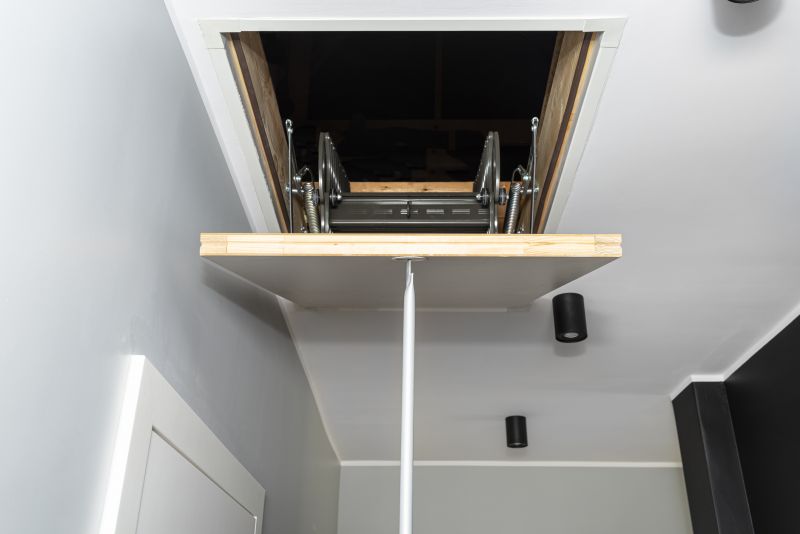
Ways to make Attic Truss Constructions work in tight or awkward layouts.
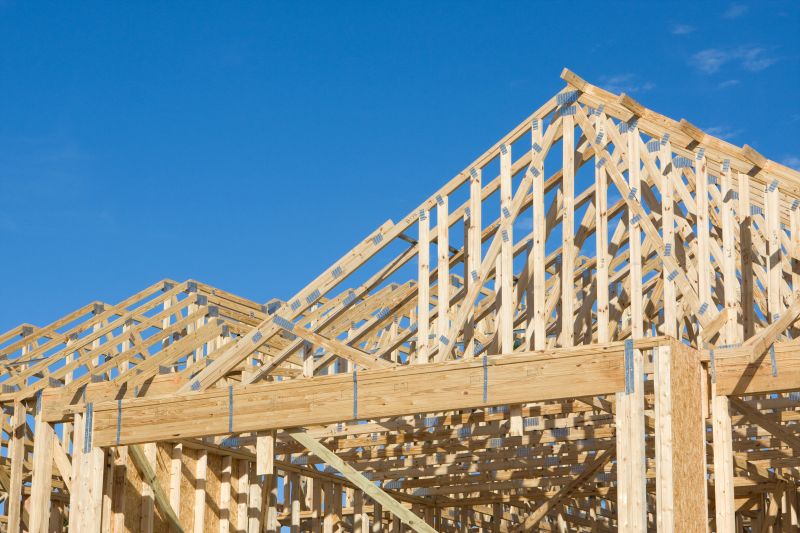
Popular materials for Attic Truss Constructions and why they hold up over time.
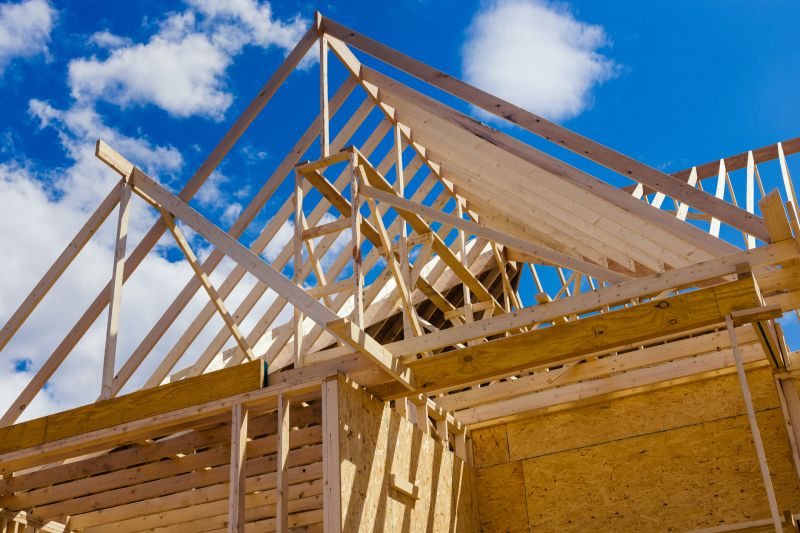
Simple add-ons that improve Attic Truss Constructions without blowing the budget.
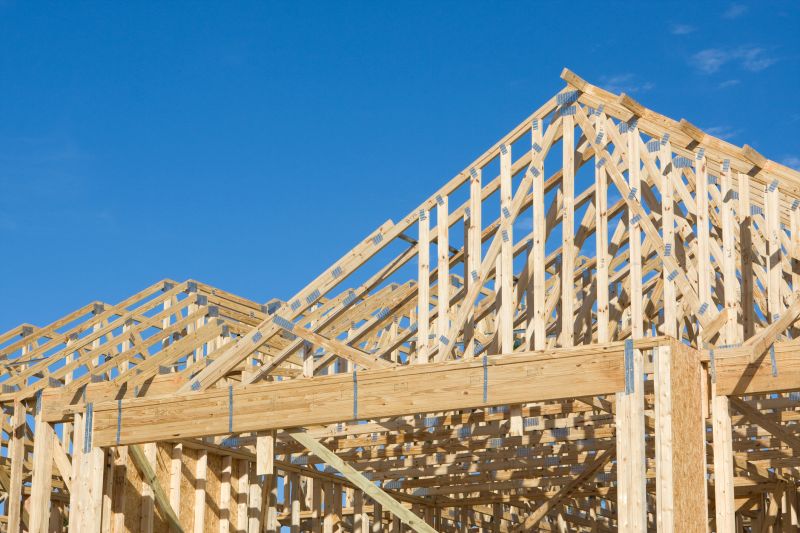
High-end options that actually feel worth it for Attic Truss Constructions.
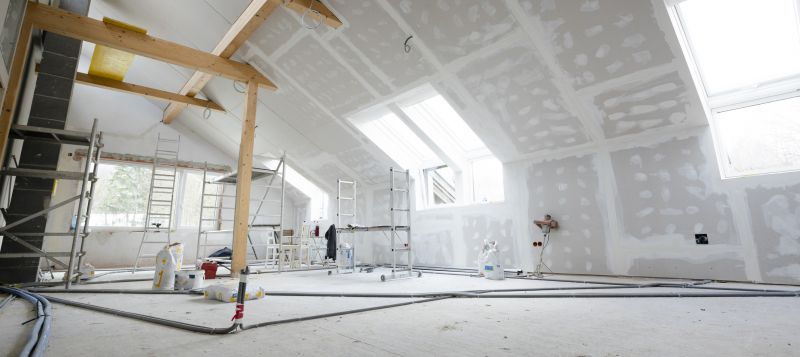
Finishes and colors that play nicely with Attic Truss Constructions.
Little measurements that prevent headaches on Attic Truss Constructions day.
| Season | Advantages |
|---|---|
| Spring | Moderate temperatures, low humidity, ideal for installation. |
| Summer | Not recommended due to high temperatures and potential heat-related delays. |
| Fall | Cooler weather, good for avoiding winter disruptions. |
| Winter | Generally unsuitable because of cold and snow conditions. |
Attic truss constructions involve precise engineering and careful planning to ensure structural integrity and optimal space utilization. Proper timing can influence the quality of work, with favorable weather conditions facilitating safer and more efficient installation. The selection of the appropriate season also minimizes risks related to moisture and temperature fluctuations, which can affect materials and construction timelines.